How do I troubleshoot & repair common small engine problems?
Mower or snow blower won’t start? Use this Briggs & Stratton small engine repair FAQ for troubleshooting common problems & issues with engines.
1 min read

Is your engine running, but emitting white or blue smoke? Find out what could be causing white smoke from the engine and how to go about fixing the issue.
What could be causing the white/blue smoke from my engine?
How to troubleshoot engine smoking
 WARNING: Always read the engine and equipment manual(s) before starting,operating, or servicing your engine or equipment to avoid personal injury or property damage. See an authorized dealer or contact Briggs & Stratton if you are unsure of any procedure or have additional questions. Find all Engine Safety Warnings
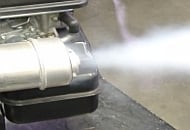
Blue or white smoke coming from your engine usually indicates burning oil, which can be caused by:
Note: If the engine has to be tilted, ensure the spark plug is facing upwards to help prevent oil from escaping the crankcase.
Other reasons for blue or white smoke from engines include going over the engine’s oil capacity, an obstruction in the breather tube (located behind the air filter), damages to the cylinder/piston rings, and more.
Engine oil capacity is dependent on your specific engine model and can be determined by checking the Oil Recommendation FAQ. You can also learn how to check the oil level and change intervals to ensure the engine is running at the correct oil capacity.
If you wish to troubleshoot and repair the small engine yourself,
Once you’ve determined the issue, you can find specific small engine repair instructions in the Briggs & Stratton Repair Manual, which is available purchase through our website.
Note: You can find and order the specific engine repair manual by specific engine models. You can also buy the repair manual locally from a Briggs & Stratton Dealer.
Mower or snow blower won’t start? Use this Briggs & Stratton small engine repair FAQ for troubleshooting common problems & issues with engines.
Is your small engine starter not engaging? Learn about lawn mower starter problems & motor repair options with this Briggs & Stratton FAQ.
Is your exhaust making loud noises? Find step-by-step guide to inspecting, changing or replacing your small engine muffler!