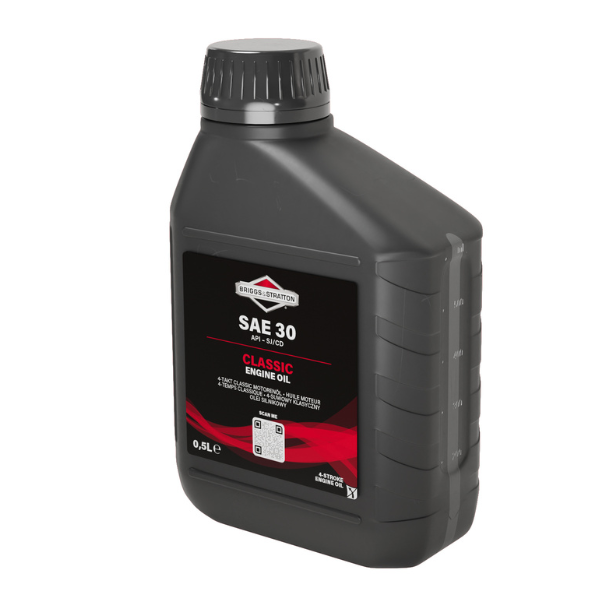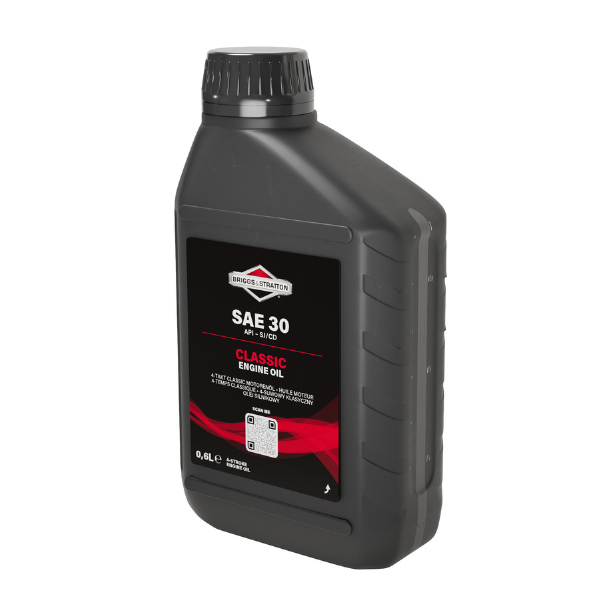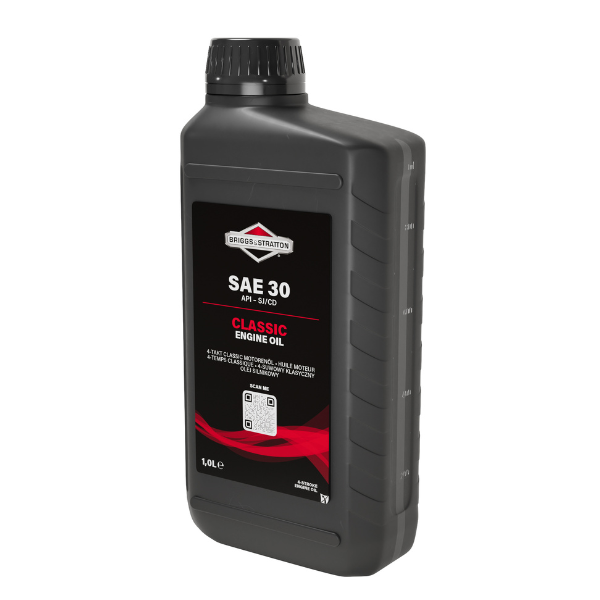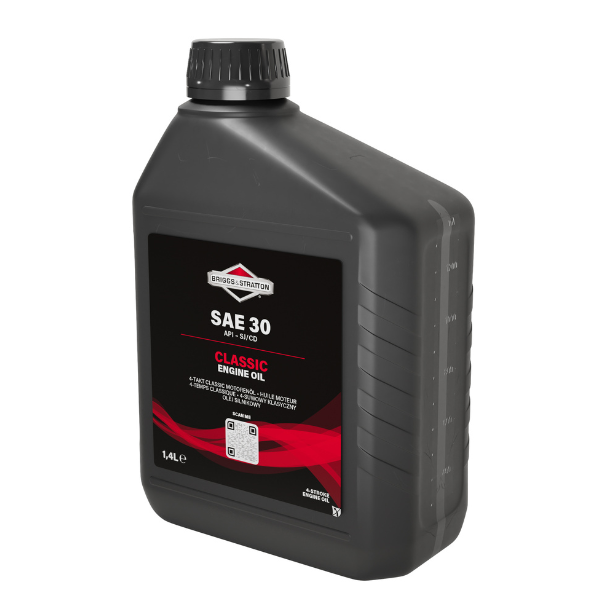

SAE 30
Classic Engine Oil
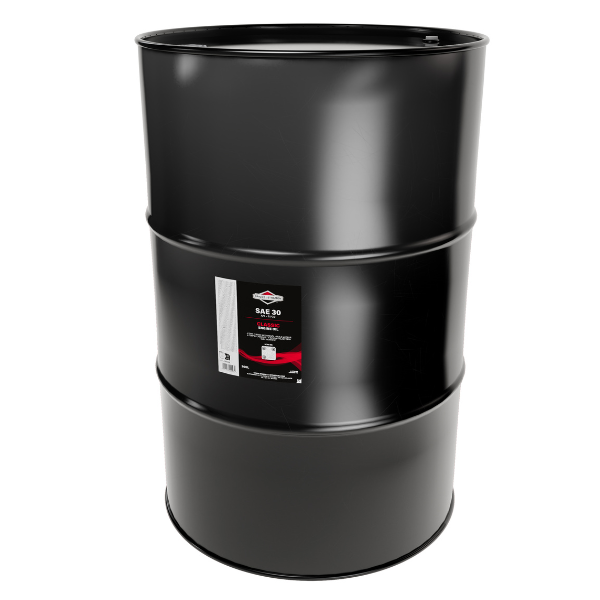
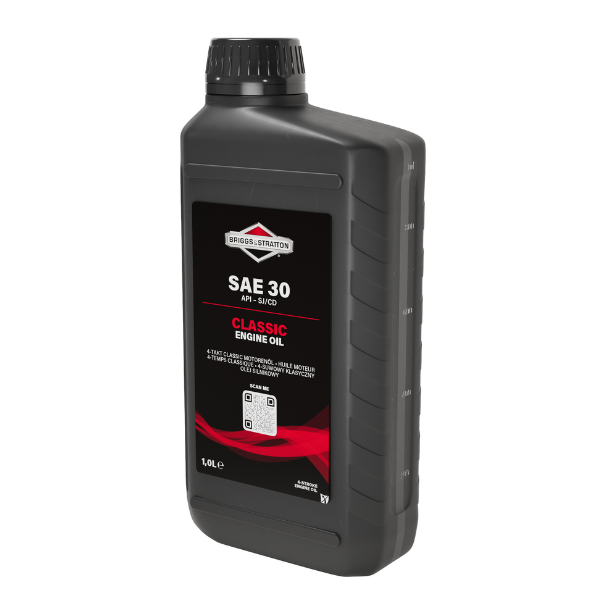
Specially formulated and approved for use in all Briggs & Stratton 4-stroke engines. Suitable for other equivalent 4-stroke engines. The ultimate protection for your outdoor power equipment.
SAE 30
Viscosity
SJ/CD
API Service
4-Stroke Air-Cooled
Engine Type
Specially formulated and approved for use in all Briggs & Stratton engines, this high-performance mineral oil is designed to meet the rigorous demands of outdoor power equipment. By providing essential lubrication and featuring a specialized formula with advanced detergent properties, it effectively prevents carbon deposit buildup on pistons, valves, and the combustion chamber. This ensures superior engine cleanliness, consistent power delivery, and maximum protection for an extended engine life and a reliable start every time you work.
Advanced Protection Technology:
This SAE 30 engine oil provides a robust shield against the primary causes of engine failure. Its advanced additive package offers:
- Superior Anti-Wear & Anti-Corrosion: Safeguards vital engine components against friction and moisture during use and storage.
- Oxidation Stability: Prevents oil thickening and breakdown under high operating temperatures.
- Anti-Foam Properties: Ensures a continuous lubricating film even under heavy workloads.
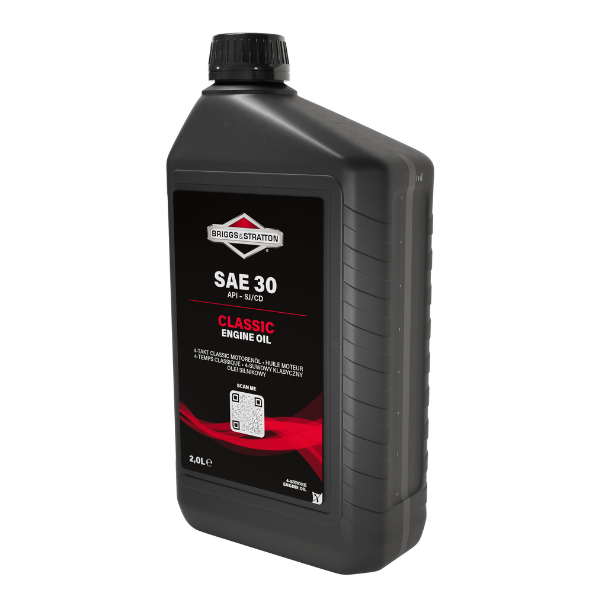
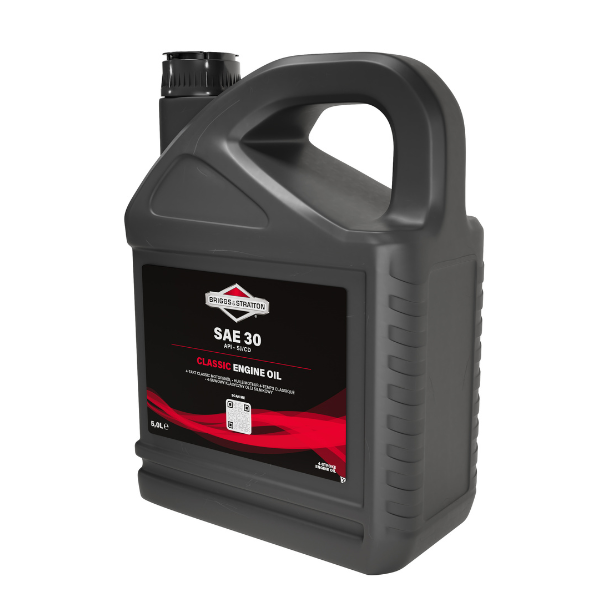
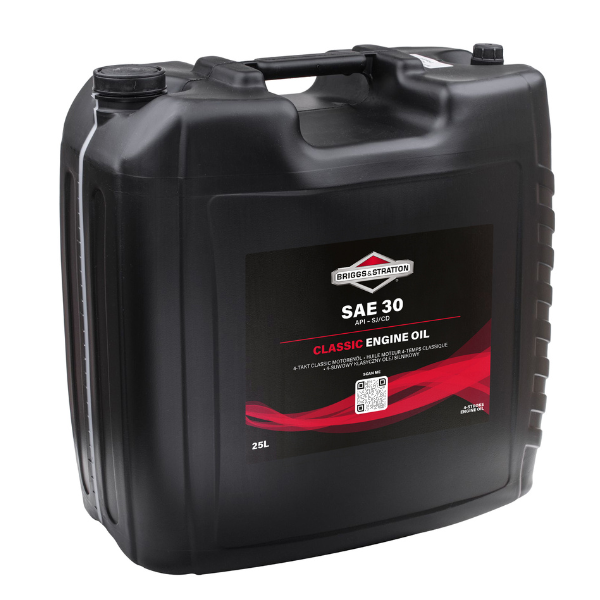
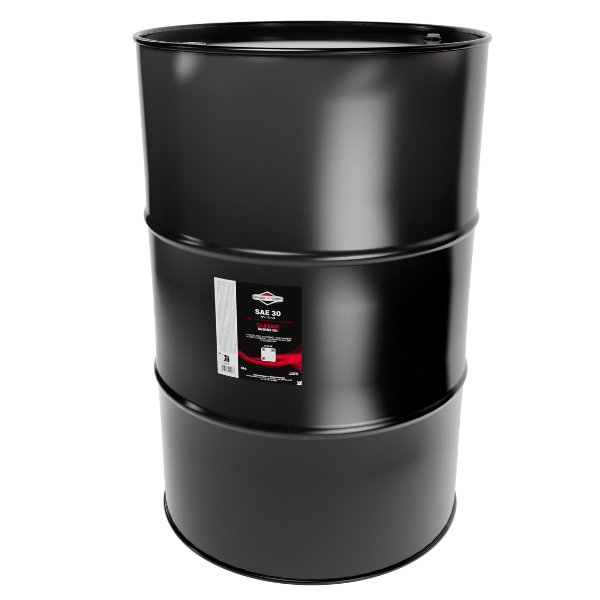
The SAE 30 Classic Engine Oil is available in different sizes:
1,0L
100007E
Buy on amazon.uk
2,0L
100008E
Buy on amazon.uk
5,0L
100009E
Buy on amazon.uk
How to Change Oil
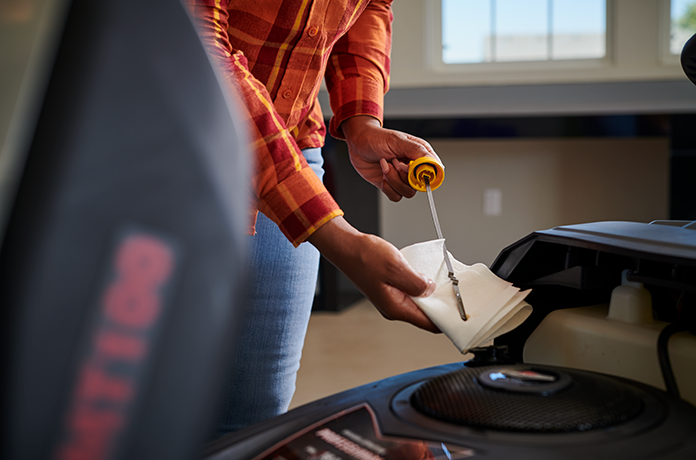
For optimum performance, you should change the oil in your small engine after the first five hours of use and then annually, or every 50 hours of use (whichever comes first).
Why Grade Matters
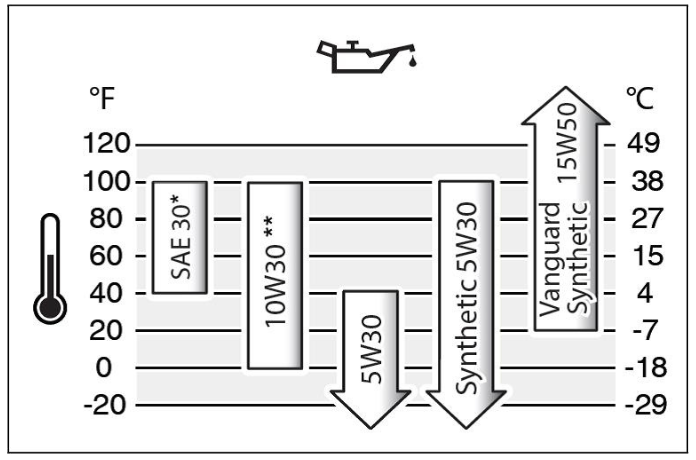
Outdoor temperatures determine the proper oil viscosity for the engine. Use the chart to select the best viscosity for the outdoor temperature range expected.
FAQs
-
How do I check the oil level on my engine?
To ensure proper engine performance and longevity, it is recommended to check the oil level and condition before each use. For the most accurate reading, check the oil when the engine is cold, so that most of the oil has settled in the crankcase. Remove the dipstick or oil fill cap, wipe it clean, reinsert it fully, and then remove it again to check the oil level and appearance. The oil should be within the recommended range and free from excessive dirt or debris. For a step-by-step demonstration on lawn mower applications, please refer to the video: For oil checking procedures on lawnmower applications, please watch our "Checking Engine Oil - Lawnmower Engine" video.
-
How can I confirm the correct oil drain method for my engine?
Always refer to your engine’s Operator’s Manual, as configurations can vary by model. If your engine is equipped with an oil drain plug, it is typically located beneath the engine block (vertical shaft) or on the base of the engine below the crankshaft centerline (horizontal shaft). The plug can be removed using a suitable ratchet or wrench, allowing the oil to drain into a container. Some engines, especially small vertical shaft engines may not have a bottom oil drain. In these cases, the oil must be drained through the oil fill tube by carefully tilting the equipment as specified in the Operator’s Manual. For best results, drain the oil when the engine is slightly warm (not hot) to ensure smooth flow while avoiding the risk of burns.
-
Is there an alternative way to drain oil without tilting the engine or using a drain plug?
Yes. For improved convenience and cleaner operation, an oil extractor pump can be used to remove oil through the oil fill tube. This method eliminates the need to tilt the equipment and helps reduce the risk of spills, making the process faster and more controlled.
-
At what temperature should I drain the oil?
For optimal results, oil should be drained when the engine is warm, but not hot. Warm oil has lower viscosity, allowing it to flow more freely and carry contaminants out of the crankcase more effectively. If the engine has just been operating, allow it to cool before draining to reduce the risk of burns. If the engine is completely cold, it is recommended to run it briefly (1–2 minutes) to warm the oil slightly before switching it off and proceeding with the oil change.