Changing the Air Filter in Your Briggs & Stratton Engine
Briggs & Stratton engines use 1 of 3 air filter types: paper, foam, or dual element. Learn more on how to change air filters.
2 min read
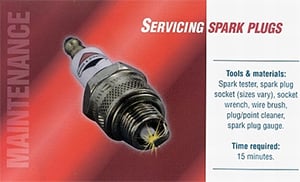
Learning how to check, clean and change a spark plug is a valuable part of your DIY education. Whether you’re doing regular maintenance or troubleshooting why your lawn mower or small engine won’t start, this 3-step guide will provide the resources you need to keep your machine running right!

WARNING: Always read the engine and equipment manual(s) before starting, operating, or servicing your engine or equipment to avoid personal injury or property damage. See an authorized dealer or contact Briggs & Stratton if you are unsure of any procedure or have additional questions. Find all Engine Safety Warnings.
The electrodes on a spark plug must be clean and sharp to produce the powerful spark required for ignition. The more worn or dirty spark plugs are, the more voltage - and the greater the tug on the rewind - required to produce an adequate spark.
If you haven't tuned your engine recently, your mower won't start and/or you have to tug repeatedly on the rewind to start the engine, a damaged spark plug may be the culprit. These problems may also cause excessive fuel consumption, deposits on the cylinder head and oil dilution.
Luckily, spark plugs are one of the easiest engine components to repair and an inexpensive one to replace.
For standard lawn mower and small engine maintenance, you should check and/or replace spark plugs:
If the engine tries to turn over (even for a second) and dies, then you have spark. This would indicate the problem probably lies somewhere else (fuel, carburetor, valves, etc.). If the engine does not turn over at all, then there may be a problem with your ignition system. The first thing to do is change the spark plug.
>> Review the FAQ on troubleshooting ignition system problems to learn how a spark tester can identify problems with the ignition coil, switch, flywheel or other small engine par.
To safely clean a spark plug, you should use a wire brush or spray-on plug cleaner specifically designed for this ignition part. You can also use a sturdy knife to scrape off tough deposits.
Note: NEVER clean a spark plug with a shot blaster or abrasives.
If your spark plug doesn’t pass the tests above, you’ll need to replace it. This is one of the easiest steps in lawn mower or small engine maintenance.
For pre-season tune-ups and end-of-season storage, consider a Briggs & Stratton small engine tune-up kit that includes everything you need, including parts (spark plug(s), oil filter, air filter) and fluids (lawn mower oil, fuel stabilizer, etc.) specific to your engine.
Still have questions? Watch this easy guide to change the spark plug or find more tips for troubleshooting lawn mower engine problems, check out our full list of Frequently Asked Question on Repairing Small Engines or contact a Briggs & Stratton service dealer near you.
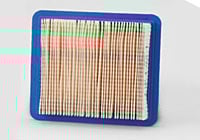
Briggs & Stratton engines use 1 of 3 air filter types: paper, foam, or dual element. Learn more on how to change air filters.
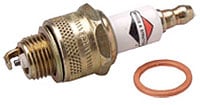
It’s very important that you choose the right spark plug for your engine. Learn more about how to go about choosing.
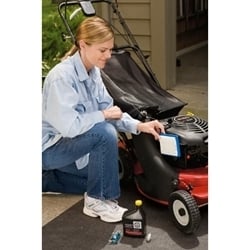
Learning to repair your own small engine is easier than you might think. Start here on your journey to repairing your engine!