How do I check and change lawn mower oil?
Learn how to check & change the oil and replace the oil filter on your lawn mower engine with this step-by-step FAQ from Briggs & Stratton!
2 min read
Before you are able to change the lawn mower oil on your Briggs & Stratton small engine, it’s important to understand the oil type and capacity required. The type of mower you use, the engine within, and the temperature outside determines what type of oil to use, how much you need and the cost of the oil. Use the Oil Finder tool below to find the right oil for you.
We recommend the use of Briggs & Stratton Warranty Certified oils for best performance. Other high-quality detergent oils are acceptable if classified for service SF, SG, SH, SJ or higher. Do not use special additives.
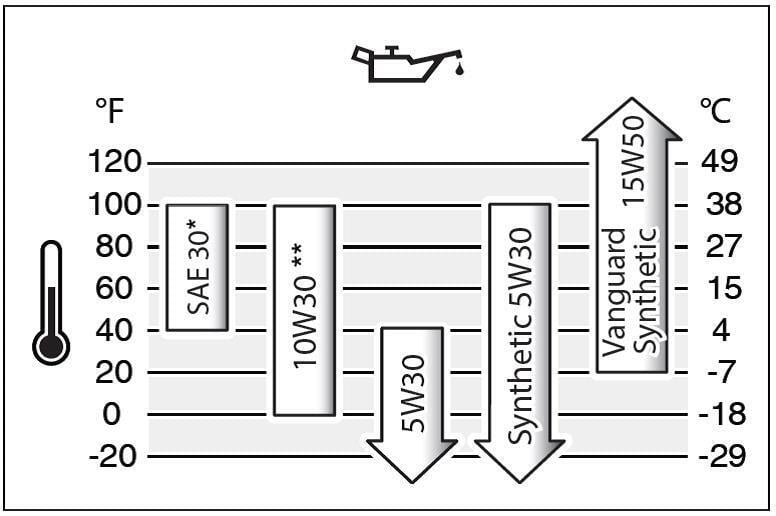
Outdoor temperatures determine the proper oil viscosity for the engine. Use the chart to select the best viscosity for the outdoor temperature range expected. Engines on most outdoor power equipment operate well with 5W30 Synthetic oil. For equipment operated in hot temperatures, Vanguard 15W50 Synthetic oil provides the best protection.
*Below 40°F (4°C) the use of SAE 30 will result in hard starting.
**Above 80°F (27°C) the use of 10W30 may cause increased oil consumption. Check oil level more frequently.
The Society of Automotive Engineers has developed a categorization of motor oils which will indicate the viscosity (thickness) and temperature in which engine oil can be used. This is called the SAE, it is printed on every bottle of oil and will also indicate whether or not the oil is synthetic.
Above is a chart that lists SAE type and the temperature in which it functions the best. The easiest way to find the best SAE for your lawn mower is to combine information from your operator’s manual with the descriptions of oil types below.
Things to keep in mind when choosing lawn mower oil:
Can You Use Synthetic Lawn Mower Oil? Yes!
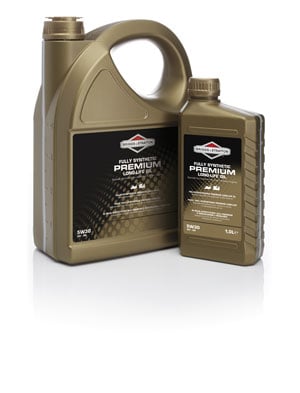
We have recently modified our engine oil recommendations to state that you may now use a synthetic 5W30 or 10W30 oil in all temperature ranges. We recommend the use of Briggs & Stratton Fully Synthetic Premium Long-Life Oil. The use of this high quality detergent oil assures compliance with Briggs & Stratton warranty requirements regarding the use of appropriate oil.
Engine break-in procedures using synthetic oil remain the same. Please keep in mind that the use of synthetic oil does not preclude you from performing your regularly scheduled lawn mower maintenance (i.e. check oil, change oil, etc.)
Engine Oil Capacity
Engine oil capacity is, just like oil type, dependent on your specific engine model. To learn how to check the lawn mower oil, please watch our "Checking Engine Oil - Lawnmower Engine"
Outside of the basics regarding oil type & capacity, the best source of information regarding any small engine concern would be a Briggs & Stratton Dealer.

Learn how to check & change the oil and replace the oil filter on your lawn mower engine with this step-by-step FAQ from Briggs & Stratton!
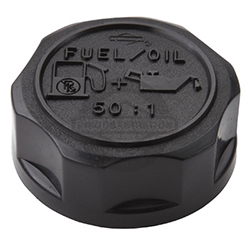
Learn how to identify a 2 cycle engine and determine what the best oil to gas ratio mix is for that engine.
Is fuel leaking into your engine oil? Find out common causes for leaks in crankcase and how to troubleshoot or service your small engines!