1 min read

How to Identify 2-Cycle Engine and Oil Mix Ratio

How to Identify 2-Cycle Engine and Oil Mix Ratio

Easily distinguish between a 2-cycle and 4-cycle engine by determining the number of fill ports. Avoid common mistakes in filling the fuel tank on a 2-cycle engine. Choose the right oil and know the correct oil mix ratios.

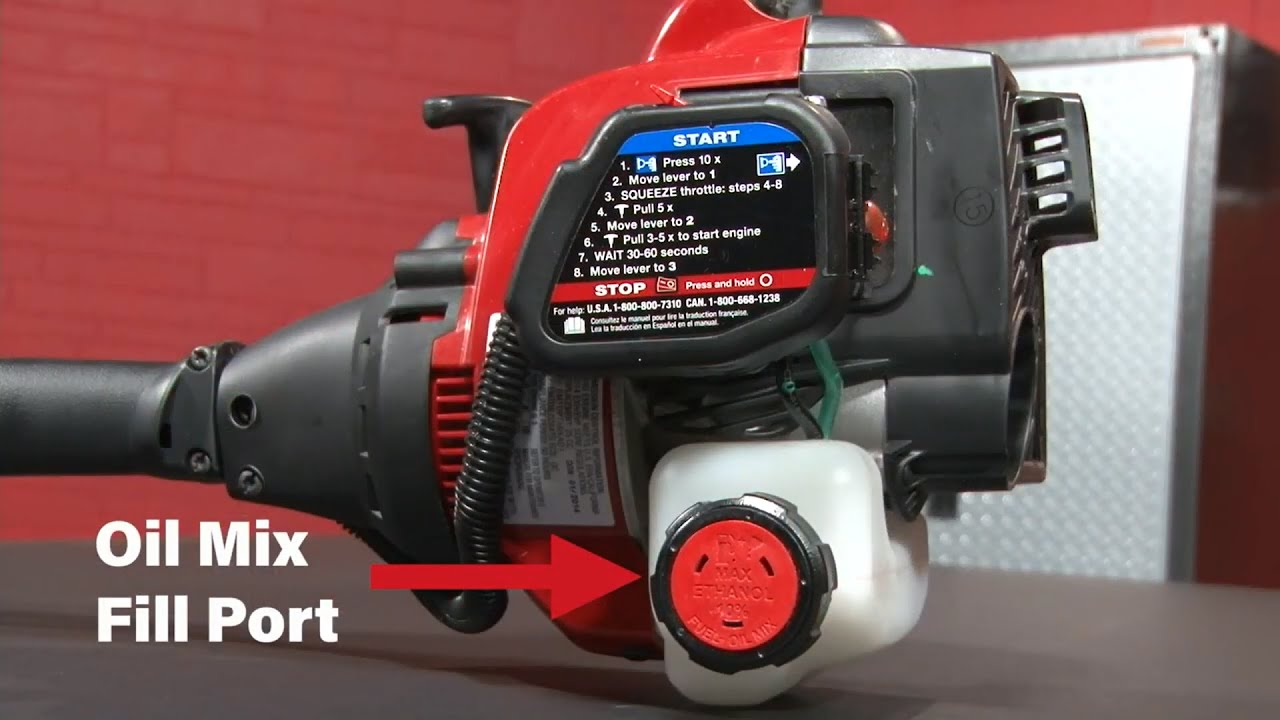
The easiest way to tell a 2-cycle engine from a 4-cycle engine is the number of fuel tank and/or oil sump fill ports. A 2-cycle engine has one fill port with a cap that has fuel pump and oil can icon. The cap will usually state the oil to fuel mix ratio. A 4-cycle engine has two fill ports with each cap separately identifying the fuel tank from the oil sump.

When filling the fuel tank on a 2-cycle engine you’ll want to avoid these common mistakes: filling the tank solely with gasoline, filling the tank solely with oil, and not pre-mixing the gasoline and oil before filling the tank. Any of those mistakes can cause engine or fuel system damage. Common gasoline and oil mix ratios are 50:1 and 40:1. Meaning there is 50/40 parts gasoline to one part oil when mixed. The lower the mix ratio number the more oil per volume in the gasoline. To mix properly add oil to your gas can, then add fresh gasoline from the pump. Always agitate the fuel mix before adding it to your engine’s fuel tank.

To lessen emissions and prevent fuel system gumming choose a low smoke oil that contains fuel stabilizer. The oil should also be an easy mix and ashless formula to prevent carbon deposits within the exhaust system like Briggs & Stratton 2-Cycle Oil.

Read more >

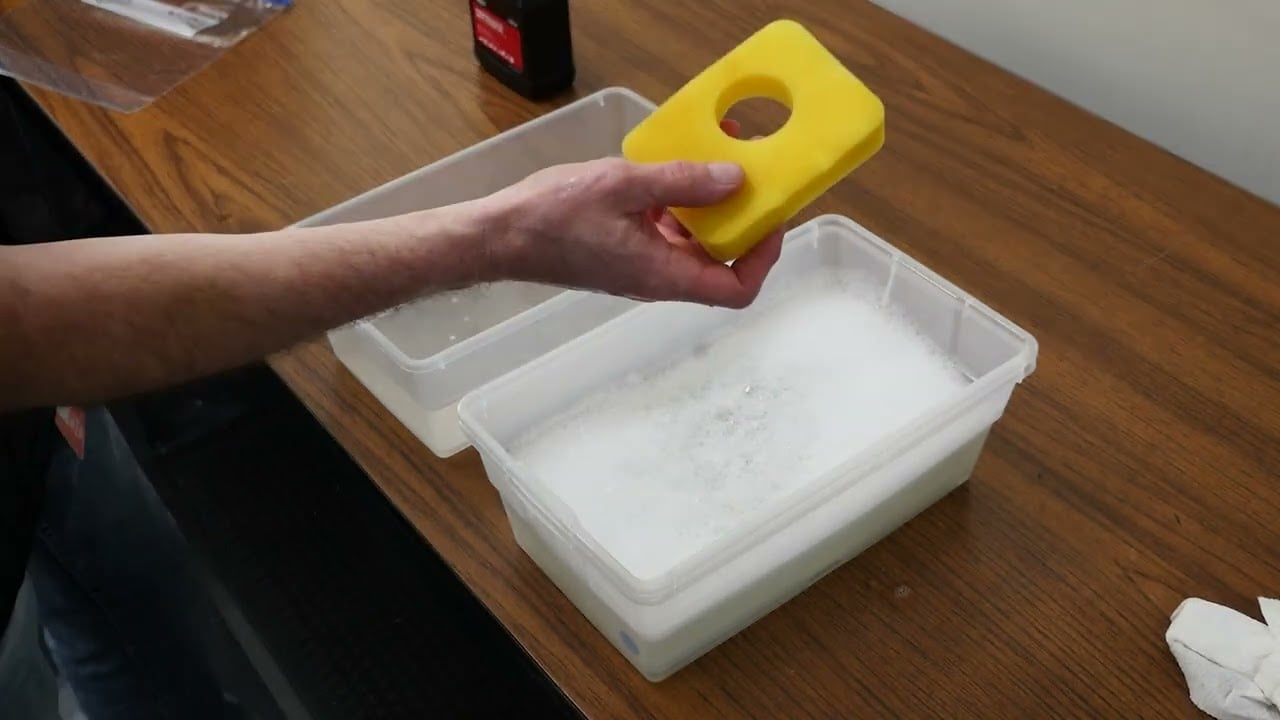
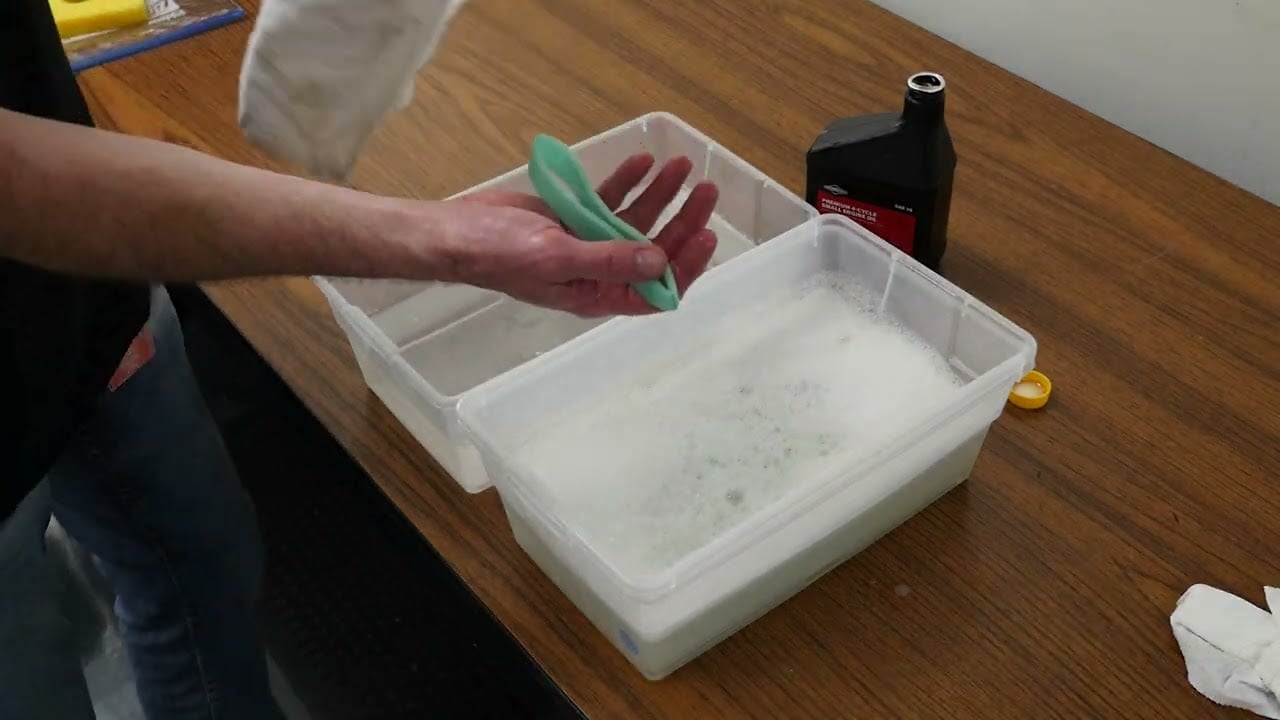
How To Clean Your Foam Air Filter

How To Clean Your Foam Air Filter

An engine's air filter helps to keep dirt and debris from entering the engine. To keep your engine clean, we recommend servicing your...

Read More
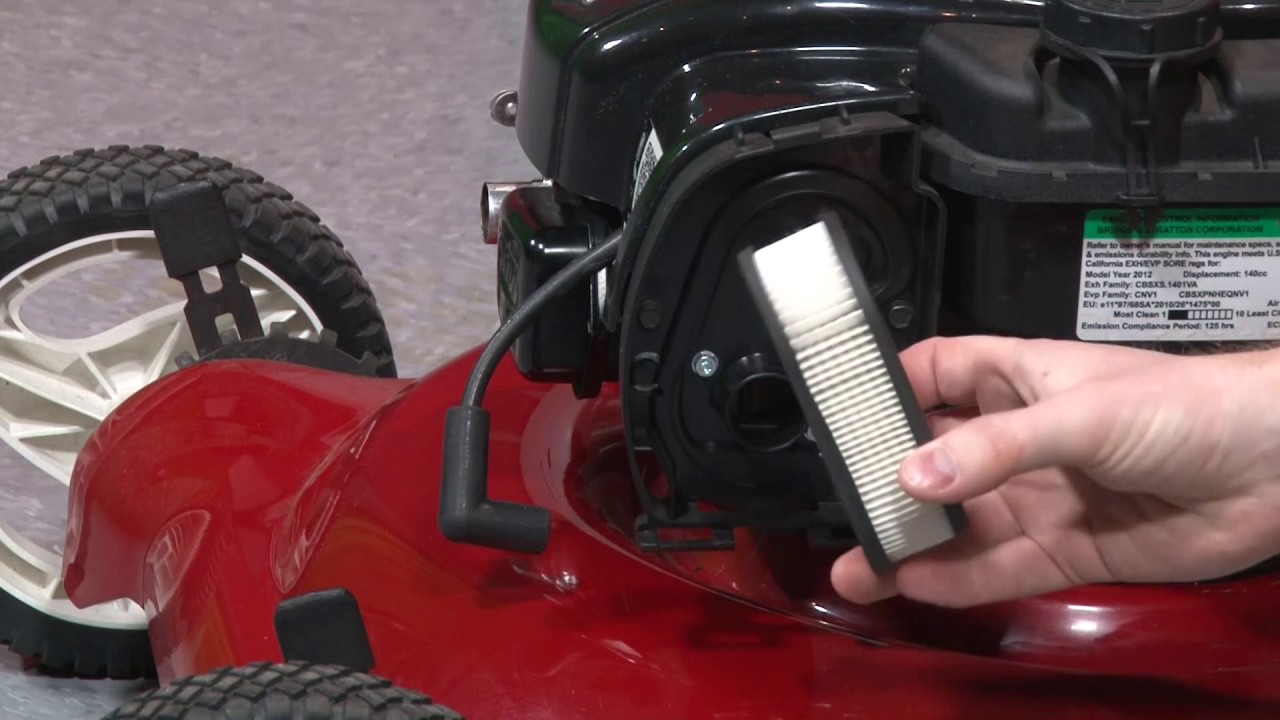
How To Change Your Paper Air Filter with Foam Pre-Filter

How To Change Your Paper Air Filter with Foam Pre-Filter

An engine's air filter helps to keep dirt and debris from entering the engine. To keep your engine clean, we recommend servicing your...

Read More